Thrilled to see that my ‘lifting the veil’ poem was featured on The Haiku Foundation Per Diem: Daily Haiku on the 6th of January 2019!
Many thanks to guest-editor Simon Hanson for including it in his wonderful collection ‘Darkness’!


Thrilled to see that my ‘lifting the veil’ poem was featured on The Haiku Foundation Per Diem: Daily Haiku on the 6th of January 2019!
Many thanks to guest-editor Simon Hanson for including it in his wonderful collection ‘Darkness’!

The ossuary, a white-washed, rectangular building, is dark and cool. A musty smell envelops me as I enter. I am searching for the metal box containing my mother’s bones.
I’ve been told she is confined to one on the shelves that run the length of the room. I start searching methodically. Each box has a small hand-written label with the deceased’s name on its front. Several labels are blank. One has a dried daisy flower stuck on it with Sellotape; another, a star in cross stitch; yet another, a tiny motorcycle sticker. Photographs of the dead looking youthful are taped to several boxes, or placed next to them, complicating identification of the containers’ occupants.
Disheartened, I leave the grim building to walk in the dappled shade of the graveyard. The hum of the city mixes with birdsong. So many years since I was in Athens. I stop to read the names of the deceased on headstones, marvel at the stone angels, at the oil lamps. Soon my head is swimming. A woman burning sweet-smelling incense over a grave turns to look at me. I quickly look away, but then, returning her gaze, I nod and she smiles.
noon heat
a hairline crack
in the angel’s wing
In Unbroken Journal, issue 20, 2019
Grateful thanks to Michelle Elvy and Sam Rasnake for publishing my Haibun Triptych in the special issue “The blue collection 9: Home” of the phenomenal Blue Fifth Review!
Photo magic “Boat” by Maria Pierides accompanies the triptych.
Check it out:
Blue Fifth Review … the blue collection: 9: home (Winter 2018 / 18.10)

Happy Holidays, my friends! A happy, healthy, and fruitful 2019!

The main course is boiled beef with green beans, mushrooms, and sautee potatoes. A typical dish in this part of the world. What is atypical is the sauce that accompanies it. Unlike the horseradish recipes that make your nostrils flare, this delicate sauce introduces a surprisingly mature interpretation that sings to rather than stings the palate. My neighbour has chosen condiments that balance the flavours to perfection. I can feel the character of the well-tempered sauce on my tongue. No excess. No diversions. Clear limits. Boundaries.
noticing
the rose after the rain starts –
petrichor
In Blithe Spirit 28.3, 2018
another spring
the knotted branch
in the shredder
Blithe Spirit, 27:2, 2017
Stella Pierides
Chinese Translation (Traditional)
另一個春天
將一根打結的樹枝
扔到切碎機中
Chinese Translation (Simplified)
另一个春天
将一根打结的树枝
扔到切碎机中
Chen-ou Liu, 劉鎮歐December 7, 2018
Butterfly Dream: Another Spring Haiku by Stella Pierides
Stella’s shasei (sketch from life) haiku is tightly structured with an emotional undercurrent: “another” in L1 shows the narrator’s attitude to the passing of time while the symbolically rich image of the “knotted branch” in the shredder in Ls 2&3 makes this haiku visually and emotionally effective.
I have received the wonderful news that my tanka below has been awarded an Honorable Mention in the Mt. Fuji Tanka Grand Prix contest in 2018. What an honor!
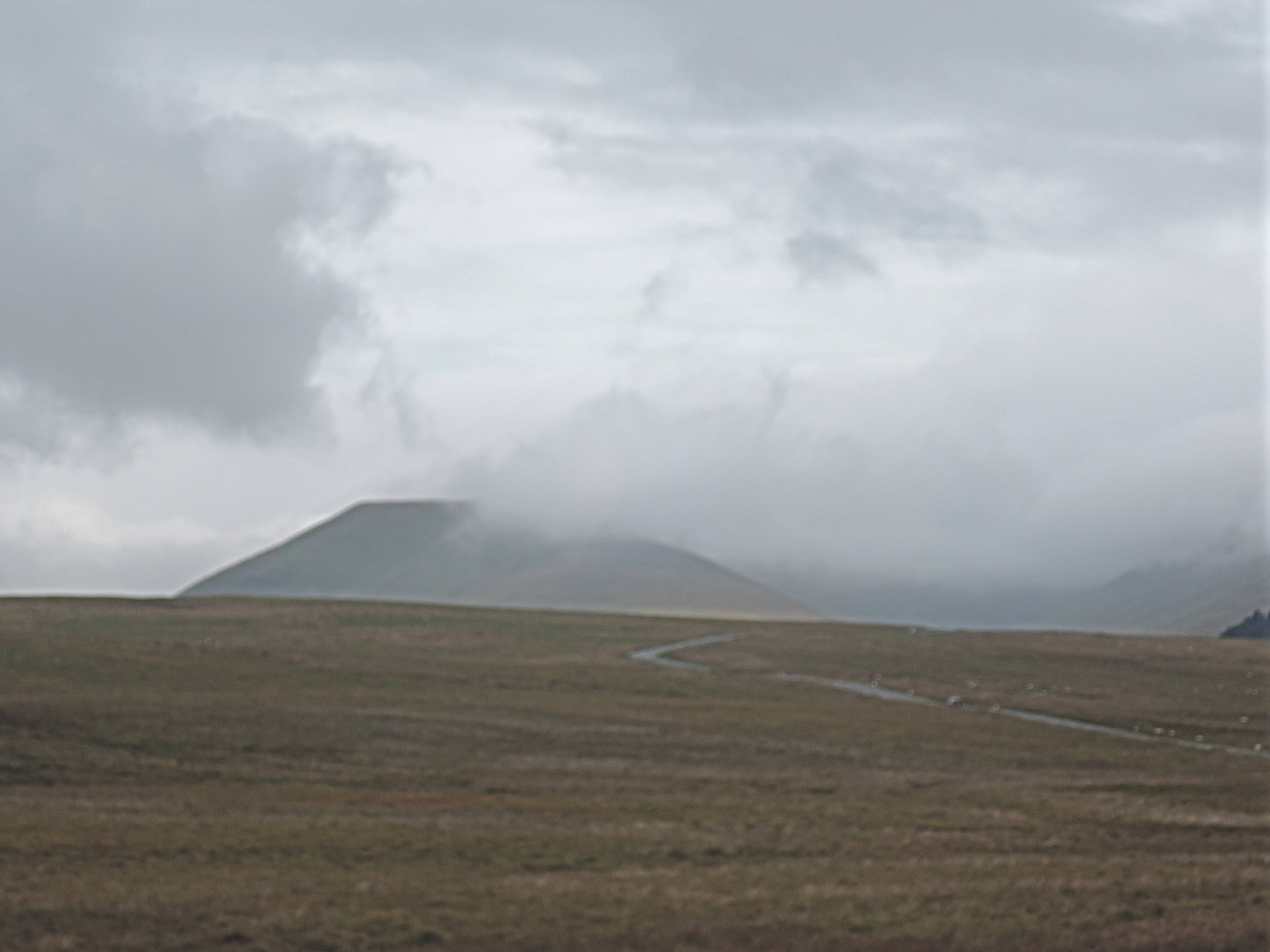
season’s end …
by the mountain shrine
wild horses graze
wrapped in fog
and silence
This contest was created by the Fuji Taisho Committee to celebrate Japan’s most famous and revered mountain in the poetic form of tanka. They say:
As the highest mountain in Japan, Mt. Fuji has been a symbol of this country providing spiritual support to the Japanese people since ancient times. Its graceful appearance is often depicted in art, literature, photography and even in company logos. In 2013, Fujisan was added to the World Heritage List as a cultural site by UNESCO. The Fujisan Taisho prize is awarded for the best work of TANKA. It is an initiative to promote the preservation of this magnificent mountain by describing its beauty and charm through TANKA and sharing them with people all over the world. Our hope is to enhance better understanding towards the nature, tradition and culture of Fujisan through which we believe we can develop a better understanding of Japan. Our ultimate aim is to raise more interest in this country and attract more people worldwide towards our culture as well as industry and economy.
TANKA was invited on / relating to Mt. Fuji: impressions on Mt. Fuji, feelings and emotions experienced while climbing the mountain. It did not have to include the word “Mt. Fuji” as long as the subject was on the mountain or mountains in general.
Grateful thanks to the judges:
Takashi Okai, Judge-in-chief of the Mt. Fuji Tanka Grand Prix 2018
Takayuki Saegusa, Judge of the Mt. Fuji Tanka Grand Prix 2018
Hiroshi Homura, Judge of the Mt. Fuji Tanka Grand Prix 2018
Naoko Higashi, Judge of the Mt. Fuji Tanka Grand Prix 2018
The awards will be presented at the Mt. Fuji Tanka Grand Prix Ceremony on January 26, 2019 at the Nihonbashi Theater in Tokyo. I won’t be able to attend, but I will sure be dreaming about it – and looking forward to the award certificate.
Those familiar with my work will recognize the photo and tanka image as relating to the Brecon Beacons mountain range in Wales.
approaching winter
I tell the story of what
might have been

No need to be afraid! This is only Emile wearing his Halloween mask!

Written in honour of Halloween, All Hallows’ Eve…
All Hallows’ Eve
the anatomy class
finishes early
.
Posted in My Haiku Pond Community’s “Halloween Quickie Haiku Challenge”
Received Hon. mention. Thank you, Michael Smeer!

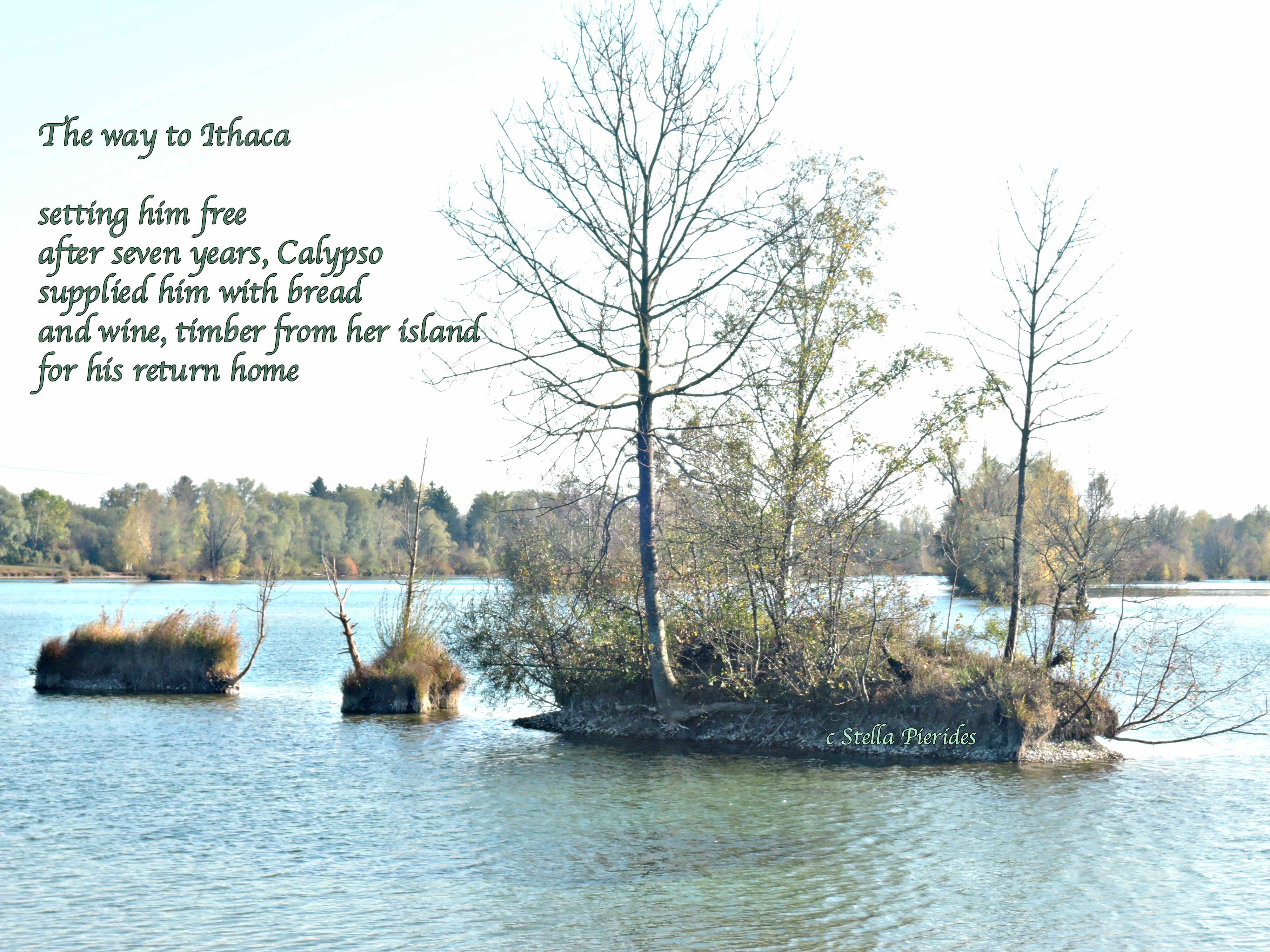
that age-long allure
of reflections…
Narcissus

chaos theory
I tell him it’s not
that simple

This September I took part in the Haiku for Change Event organised by Michael Smeer of the Facebook community My Haiku Pond, in conjunction with 100 Thousand Poets for Change (Global) 2018. Poets were asked to write one haiku (or senryu, haiga, or photo-haiku) on change: climate, environment, earth.
Entries were included in the Haiku for Change Event ebook Anthology, a pdf posted on the 100 Thousand Poets for Change blog, and archived by Stanford University as part of their program to document the 100 Thousand Poets for Change movement and community.
Here is my offering:
rising seas
a clutch of turtle eggs
in the park sandpit
The pdf is now up and can be downloaded from the 100 Thousand Poets for Change Blog
This is the second year I participated in the Australian Grand Final Kukai, organised and hosted by haiku poet Rob Scott. I enjoyed the event itself, learning about the footy teams, the preparations and festivities leading up to Grand Final Day, and then following the game on internet radio in the early morning hours. Writing poems during the game was not easy, but as they say, strike the iron while it’s hot! And I tried! The best thing? Being part of the group of poets watching the match and responding with poems. I enjoyed their contributions immensely!

What heartbreak though. The Magpies ahead most of the match, the Eagles sweeping ahead in the end to win the final.
tachycardia
and swollen vocal cords…
Grand Final fever
*
grand final eve —
eagle and magpie fans feast on
chicken wings
*
magpies and eagles —
the stuff that dreams
are made of
*
live on air
the stadium roars
and roars
*
on the airwaves
the ebb and flow
of hope
*
half time —
believing in my spirit
animal
*
grand final
after all the hard work
… rain
invisible ink—
and then we become
history
.
Ephemerae, 1, B, 2018, p. 62

Photos from my afternoon walk in Herrsching, Lake Ammersee. Only a few kilometres from Munich, yet it feels like another world. In the background. the Alps!


Thrilled to have my poem featured on Per Diem: Daily Haiku, The Haiku Foundation site. The poem will be up all day today the 23rd of September 2018 here
Many thanks to editor Rob Scott for selecting it!
This poem was written for the AFL Grand Final Kukai 2017 and included in The Tigers’ Almanac 2017, p. 187 (Malarky Publications)

or not to be. . .
on a day like this
there’s no question
.
Ephemerae, vol 1B, August 2018, p.28
From a visit to wonderful Dinefwr, Carmarthenshire: National Nature Reserve, historic house, 18th-century landscape park, and medieval deer park.
And check out Newton House and its haunted basement. .



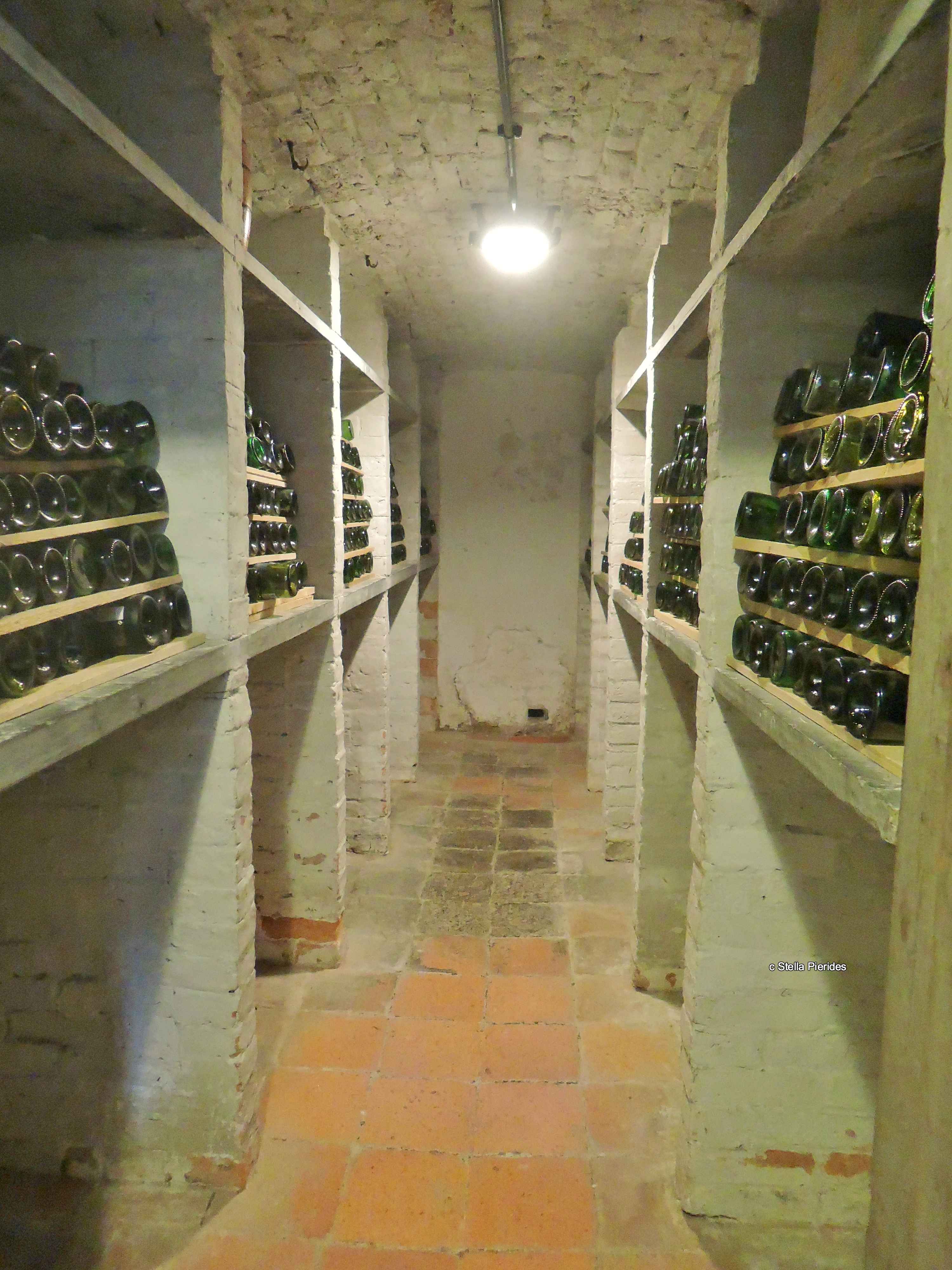

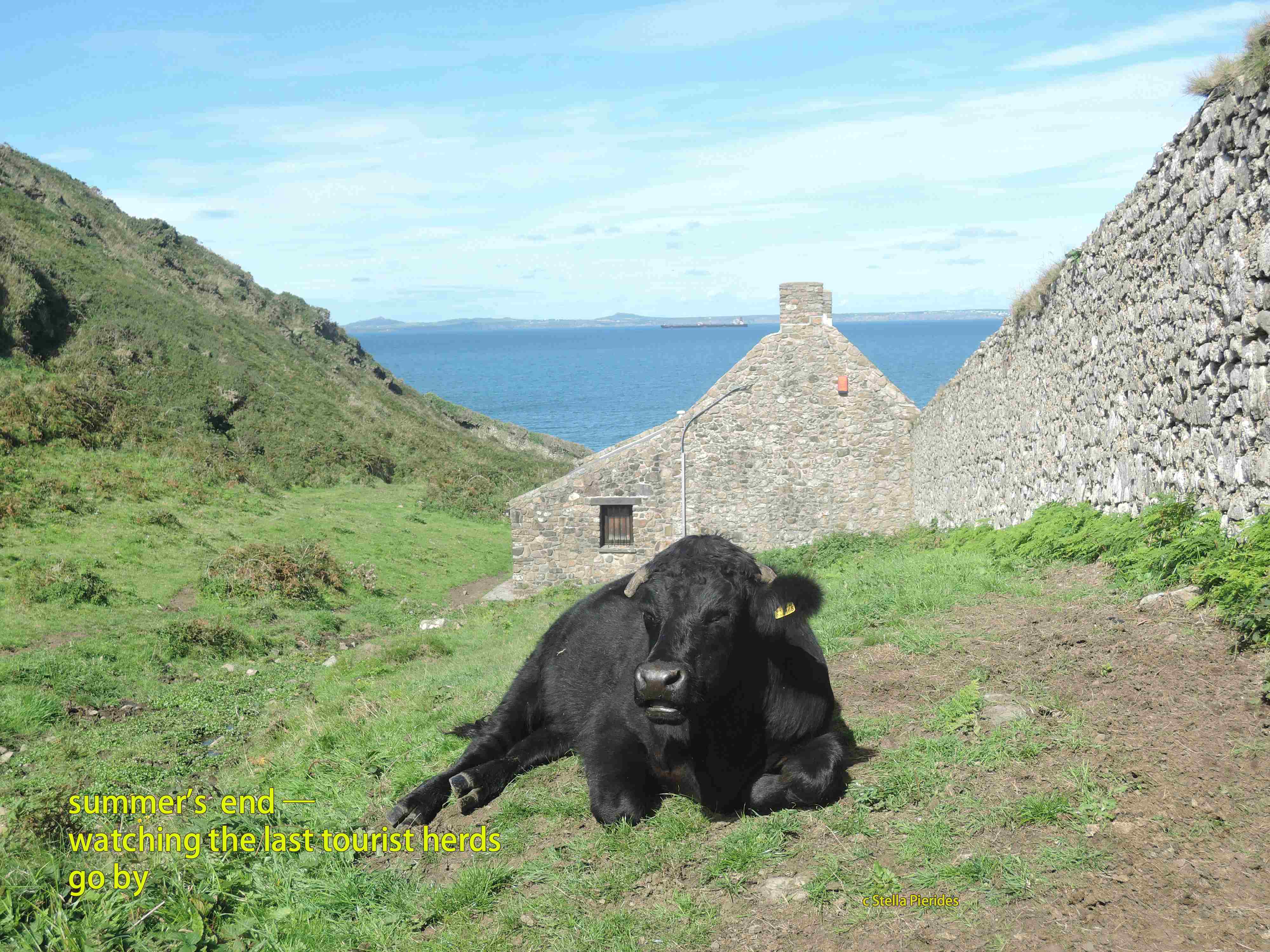
summer’s end —
watching the last tourist herds
go by
breath of the sea
the tide rising
and falling
.

A very short film of Marloes Sands in Pembrokeshire, a gem of a place!
homebound —
all you need
is light

hill fog —
stepping into
the unknown


quiet stream
the play of dark
with light
Ammer Springs, in the Ettal Valley, Bavaria.


clover in flower
the Holsteins come
with four stomachs
This week’s poem by Dan Schwerin (Modern Haiku 49:2, Summer 2018), discussed at The Haiku Foundation feature Re:Virals, attracted delightful responses that illuminated the poem from different and serendipitously complementary angles.
The week’s winner, Garry Eaton, provided an interesting and robust commentary seeing the poem’s environmental concerns, alluding to 19th century farming changes by
… highlighting the mindless, mower-like and digester-like efficiency of cows as in massive numbers they convert landscapes into milk and excrement in an endless search for more green.
The other commentators too, in their own way, provided fascinating inroads to the ku.
One paragraph from Julie Warther’s commentary caught my eye:
We each have our empty places looking to be filled. We hold common yearnings for love, acceptance, safety, sustenance and purpose. The natural world and those in it have much to offer. Do we come ready to receive? Do we return hungry for more? Do we have the capacity (four stomachs worth?) to take in the goodness, beauty and bounty surrounding us?
In the commentaries, desire, pleasure and insatiable hunger come together through the poem’s image of cows with multiple stomachs, mowing down environmental resources. Perfect metaphors for humans for whom – on individual and societal levels – the grass is always greener on the other side of the fence, and who will employ all means necessary to consume, to obtain the next piece of land, the next oil field… The effects on nature, climate, resources are all around us to see. As Warther asks, do we have the capacity to process and digest what we receive, to ‘stomach’ it, to experience ful/fillment? To contain our desires? To create a sustainable environment, where the milk we receive is both sufficient and good enough to nourish us?
In Schwerin’s poem, c/love/r is in flower. It is not the first time, and it won’t be the last. In the optimist’s reading, the ‘clover in flower’ in this rural idyll has survived previous years, and it sounds that, with care, it is going to survive the next ones.
Refreshing to see clover — considered an invasive weed in the context of gardening — standing for ‘milk’ in its use as animal fodder, and the cows — whose milk is usually associated with nourishment — standing for ruthless, destructive urges. But that’s another poem, and another story.
You can find the full re:Virals post here.
If, like me, you enjoy thinking about these matters, make sure you receive The Haiku Foundation posts. Re:Virals, managed by Danny Blackwell, appears Fridays.

