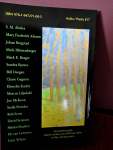
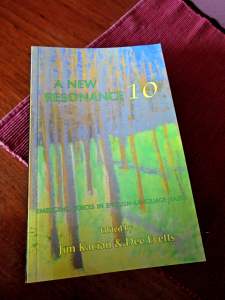
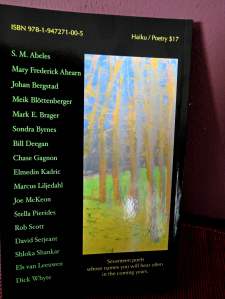
On its 50th anniversary, the Museum received a gift towards establishing a Collection of Lost Words. The three curators entrusted with this project, feeling an overwhelming sense of responsibility and apprehension, set about their work immediately. At their first meeting, the youngest of the three suggested they might place an ad in the national press, or even tweet about it asking for submissions. The oldest suggested they go on a retreat together with hand-picked etymologists, philosophers, and linguists, in other words experts, to brain-storm. The woman on the team suggested they search online catalogues for words no longer in use. Words written on tablets and papyri, words from extinct languages. For weeks they discussed the relationship between words and the worlds they described; words and the worlds they gave rise to. Forbidden words, or overused words that lost their meaning. As a result of intense deliberations, a special linguistic search engine was built capable of scouring for lost words. It didn’t take long for results to start coming in. The first word to be returned was ‘love’.
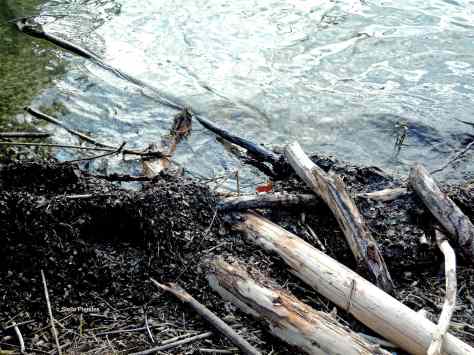
cracked earth
last year’s seedling
yet to sprout
Frogpond 40:3, p.63, 2017


 Happy to be included in the

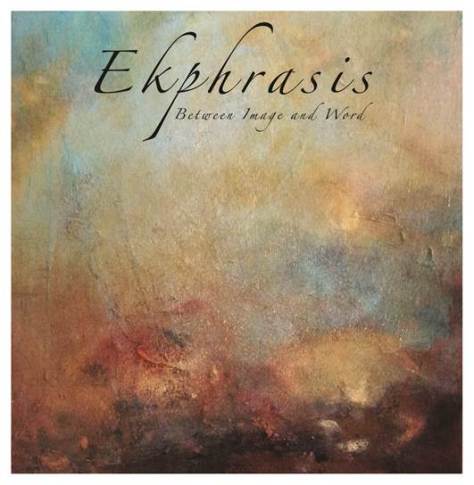
 One of Kandinsky’s favourite descriptions of his work had been ‘making the colours sing.’ It is said that Kandinsky’s synesthesia — a condition in which one sense such as vision, triggers another, for instance, hearing — allowed him to hear the colours he worked with and . . . make them sing. In this poem, I admit hearing them!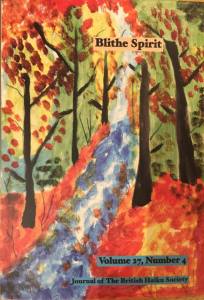
 The handwritten letter is long, the paper creased, stained. The stamps on the envelope, though, are glued perfectly straight, indicating help with the posting. It takes me time to decipher the spidery handwriting infested with blank spaces, as if the sender had taken breaks in between. I stumble repeatedly, especially after the first couple of sentences, when the handwriting grows smaller.
 Her glasses are on the night table. Propped up on two cushions, she is asleep, her mouth half-open, a bubble of saliva shifting on her lip with every breath. The ceiling fan purrs. A quiet room, otherwise. Tiptoeing near her bed I see a tiny fly approach her face. As if sensing it, she raises her arm, brushing against her forehead. I stop breathing. But she continues in her sleep, as if she is on a journey and this moment that just passed was but a momentary stop, a blip, a slight distraction.
 Once a year,